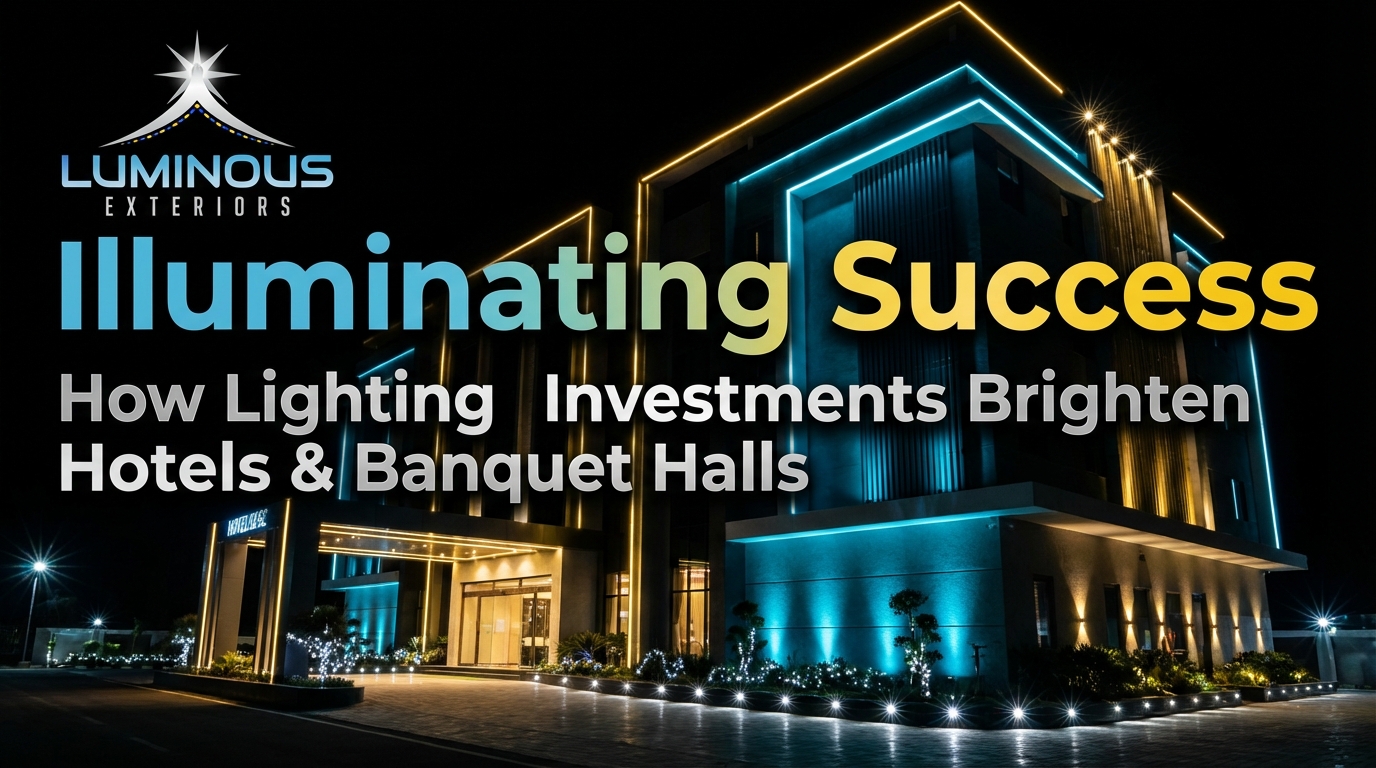
Illuminating Success: How Lighting Investments Brighten Hotels & Banquet Halls
Illuminating Success: How Lighting Investments Brighten Hotels & Banquet Halls
In the competitive hospitality industry, creating a memorable and inviting atmosphere is crucial for attracting and retaining guests. Strategic lighting is not just about illumination; it's a powerful investment that can significantly enhance the ambiance, functionality, and profitability of hotels and banquet halls. By carefully considering the latest trends and technologies, businesses can transform their spaces and create lasting impressions.
The Transformative Power of Lighting
Lighting plays a vital role in shaping the guest experience. It influences mood, perception, and overall comfort. Well-planned lighting can create a welcoming and luxurious environment, while poor lighting can lead to discomfort and negatively impact a hotel's brand image. For hotel and banquet hall owners, understanding the transformative power of lighting is the first step toward making smart investment decisions. By understanding how lighting impacts psychology and mood, spaces can be designed to encourage positive feelings and customer loyalty. Lighting affects the circadian rhythm, which regulates sleep, wake cycles, and the perception of safety.
Luminous Exteriors understands that strategic lighting is a key investment. We specialize in permanent outdoor lighting that blends smart technology, elegant design, and long-term durability to enhance curb appeal and security.
Why Invest in Lighting? Beyond Illumination
Investing in quality lighting goes beyond simply providing light. It’s about creating an experience, enhancing functionality, and ultimately boosting your bottom line. Here’s why lighting should be a priority for hotels and banquet halls:
Enhanced Ambiance: Lighting sets the mood and atmosphere, influencing how guests feel in a space. Warm, inviting lighting can make a hotel lobby feel welcoming, while dynamic lighting can energize a banquet hall for a lively event.
Improved Aesthetics: Thoughtfully designed lighting highlights architectural features, artwork, and décor, creating a visually appealing environment that aligns with the hotel or banquet hall's brand identity.
Increased Functionality: Proper lighting ensures guests can comfortably perform tasks, whether it's reading in a guest room, working in a meeting space, or enjoying a meal in a restaurant.
Energy Efficiency: Upgrading to energy-efficient lighting solutions like LEDs can significantly reduce energy consumption, lowering operating costs and contributing to sustainability efforts.
Enhanced Safety and Security: Well-lit areas improve visibility, ensuring guest safety and security, especially in hallways, stairwells, parking lots, and outdoor spaces.
Increased Property Value: Strategic lighting upgrades can enhance the overall appeal and value of the property, making it more attractive to potential buyers or investors.
Cost Savings and ROI: The Numbers Speak for Themselves
While the initial investment in new lighting systems might seem daunting, the long-term cost savings and return on investment (ROI) are significant. Here's how:
Reduced Energy Consumption: LED lighting, for example, consumes up to 80% less energy than traditional incandescent bulbs. Replacing traditional bulbs with LED lights can reduce energy use by up to 75%.
Lower Maintenance Costs: LEDs have a significantly longer lifespan than traditional bulbs, reducing the frequency and cost of replacements. LED bulbs last 35 to 50 times longer than incandescent bulbs and two to five times longer than fluorescent lighting.
Reduced HVAC Costs: LEDs produce less heat than traditional bulbs, which can lower cooling costs, especially in large spaces like banquet halls.
Potential Rebates and Incentives: Many utility companies offer rebates and incentives for businesses that invest in energy-efficient lighting.
By switching to energy-efficient lighting, hotels can reduce electricity bills by 20-40%. In fact, hotels spend about 6% of their operating costs on energy each year.
Types of Lighting: Crafting the Perfect Ambiance
Creating the perfect ambiance requires a layered approach to lighting, combining different types to achieve the desired effect. Here are the key types of lighting to consider:
Ambient Lighting
Also known as general lighting, ambient lighting provides overall illumination to a space. It creates a base layer of light that allows people to see and move around comfortably. Recommended light levels for general lighting are 30-50 foot-candles. In hotels and banquet halls, ambient lighting is often achieved through ceiling fixtures, chandeliers, and recessed lighting. Diffused general lighting ensures a sense of well-being, which makes customers feel comfortable.
Task Lighting
Task lighting is designed to illuminate specific areas where tasks are performed, such as reading, working, or food preparation. In hotel rooms, task lighting can include desk lamps, bedside lamps, and vanity lighting. Accent lighting should be 3 times as bright as the ambient lighting.
Accent Lighting
Accent lighting highlights specific objects or areas, such as artwork, architectural details, or decorative elements. It adds depth and visual interest to a space. Accent lighting is used to highlight specific elements, such as artwork, sculptures, or architectural details, adding depth and texture to the space and directing attention to certain points. Techniques like spotlighting can help draw attention to architectural details and other artwork.
Decorative Lighting
Decorative lighting fixtures serve both functional and aesthetic purposes, adding style and personality to a space. Chandeliers, pendant lights, and sconces are examples of decorative lighting that can enhance the overall design scheme.
Smart Lighting: The Future of Control and Efficiency
Smart lighting systems offer advanced control and automation capabilities, allowing hotels and banquet halls to optimize energy efficiency and create personalized lighting experiences for guests. Key features of smart lighting include:
Automated Scheduling and Dimming: Preset schedules adjust brightness levels based on time of day, ensuring guest comfort while minimizing energy waste.
Occupancy and Motion Sensors: Lights automatically dim or turn off when rooms are unoccupied, reducing unnecessary electricity use. Hallways, storage rooms, and fitness centers benefit from occupancy sensors that activate lights when someone enters and turn them off when the space is empty.
Daylight Harvesting: Sensors adjust artificial lighting levels based on available sunlight, creating a balanced and inviting atmosphere while lowering energy costs.
Personalized Guest Controls: Guests can customize their room ambiance with automated lighting settings, creating a more enjoyable stay.
Integration with Building Management Systems (BMS): Centralized control and real-time monitoring of lighting systems for optimized performance across all hotel spaces.
Lighting Design Tips for Hotels and Banquet Halls
Creating a successful lighting design requires careful planning and attention to detail. Here are some essential tips:
Factor in Ceiling Height: The size of the ceiling can substantially affect how light moves throughout the facility. Hotels with lower ceilings can also use lighting to make the space appear larger, creating the illusion of openness.
Take Advantage of Natural Light: Natural light can boost energy and mood, so use natural light wherever possible in your lighting design. Maximize natural light with large windows, skylights and strategically placed mirrors. Using light-reflecting wall colors and mirrors to enhance brightness.
Maintain a Cohesive Lighting Concept: Keep your lighting concept consistent in public and private hotel spaces.
Create Smooth Lighting Transitions: When guests travel from room to room, the lighting changes shouldn't catch them off-guard; they shouldn't be jarring.
Guestroom Lighting Should Be Flexible: Install lighting fixtures of assorted styles and brightness levels so guests can work and relax in their rooms.
Light for Safety: Ensure staircases, parking lots, elevators, and other remote areas are amply lit.
Use Efficient Lighting: LEDs reduce energy costs and last longer.
Consider Color Temperature: Warm lights create a cozy atmosphere, while cooler lights are better for task-oriented areas.
Flexibility, Color Rendering (CRI), Dimming Capabilities: The system should be versatile enough for various events, from weddings to corporate functions.
Latest Lighting Trends in 2026
Staying ahead of the curve with the latest lighting trends can give hotels and banquet halls a competitive edge. Here are some of the top trends to watch for in 2026:
A Shift Away From Recessed Lighting: Prioritize fixtures that add warmth, direction, and personality.
Lighting as Jewelry: Use lighting to decorate the space.
Sculptural and Artistic Lighting Fixtures: Fixtures are becoming emotional focal points—art pieces with purpose.
Overscaled Statement Pieces: Use larger lighting fixtures to balance the space. 2026 lighting trends will heavily favor oversized chandeliers with dramatic vertical or horizontal presence.
Discreet Linear Lighting and Glow Lines: Use minimalist linear fixtures hovering above kitchen islands or dining tables.
Tunable White Lighting: Adjust lighting according to mood or daytime hours.
The Return of Vintage Lighting: Family heritage, vintage influences, and handcrafted excellence drive the growing demand for artisan-crafted lighting that tells a unique story.
Portable, Rechargeable Lamps: Cordless lamps generate electricity using bioethanol and use this power to light the LEDs within the lamp.
Nature-Inspired Lighting: Expect fixtures that evoke cascading waterfalls, delicate tree branches, or ethereal cloud formations.
Art Deco Influences: Expect bold geometric patterns, symmetry, and opulent materials such as gold, crystal, lacquer, and blackened brass.
Strategic Lighting for Different Hotel Areas
Different areas of a hotel require specific lighting approaches to optimize functionality and ambiance:
Lobby: Create a welcoming and impressive entrance with a combination of ambient, accent, and decorative lighting. Chandeliers, pendant lights, and wall sconces can add elegance and visual interest.
Guest Rooms: Provide a comfortable and functional space with a mix of ambient, task, and accent lighting. Dimmable lights, bedside lamps, and desk lamps allow guests to customize their lighting preferences.
Corridors: Ensure safe and well-lit passageways with recessed lighting, wall sconces, and emergency lighting systems.
Restaurants and Bars: Set the mood with adjustable lighting that transitions from casual daytime dining to elegant evening ambiance. Color-changing bulbs can create a fun and intimate atmosphere.
Meeting Rooms: Provide bright and focused lighting for presentations and work sessions, with dimming options for break times. Use cooler light with a color temperature greater than 6000k to create a clear, bright and safe environment.
Outdoor Areas: Enhance safety and security with well-placed outdoor lighting fixtures, such as path lighting, floodlights, and security lights.
Elevator Lobbies: Use architectural lighting controls.
Banquet Hall Lighting: Creating Memorable Events
Lighting is particularly critical in banquet halls, where it can transform a space to suit different events, from weddings to corporate conferences. The best way to evaluate lighting is to consider flexibility, color rendering (CRI), dimming capabilities, and the ability to create different moods. The system should be versatile enough for various events, from weddings to corporate functions.
Flexibility: Adjustable lighting systems that can be easily reconfigured to suit different event needs.
Color Temperature Control: The color temperature of the chosen lighting can greatly affect the mood and ambiance of the space. A cool white color temperature can create a vibrant, energetic vibe, while a warm white color temperature can create a more relaxed and inviting atmosphere.
Accent Lighting: Highlight key areas such as the stage, podium, and tabletops.
Decorative Lighting: Chandeliers and decorative fixtures add elegance and visual appeal.
Stage Lighting: Stage lighting and sound are used more and more frequently in banquets, weddings, press conferences and other activities held in hotels.
Making the Right Choice: Luminous Exteriors is Your Lighting Partner
Investing in lighting for your hotel or banquet hall is a strategic decision that can yield significant returns. By understanding the benefits of quality lighting, staying informed about the latest trends, and partnering with a trusted lighting provider like Luminous Exteriors, you can create spaces that impress guests, enhance functionality, and drive profitability.
We specialize in permanent outdoor lighting that blends smart technology, elegant design, and long-term durability to enhance curb appeal and security. Our team of experts can help you create a customized lighting plan that meets your specific needs and budget. We are committed to providing exceptional service and support, ensuring that your lighting investment delivers lasting value.
Ready to Get Started?
We specialize in permanent outdoor lighting that blends smart technology, elegant design, and long-term durability to enhance curb appeal and security.


