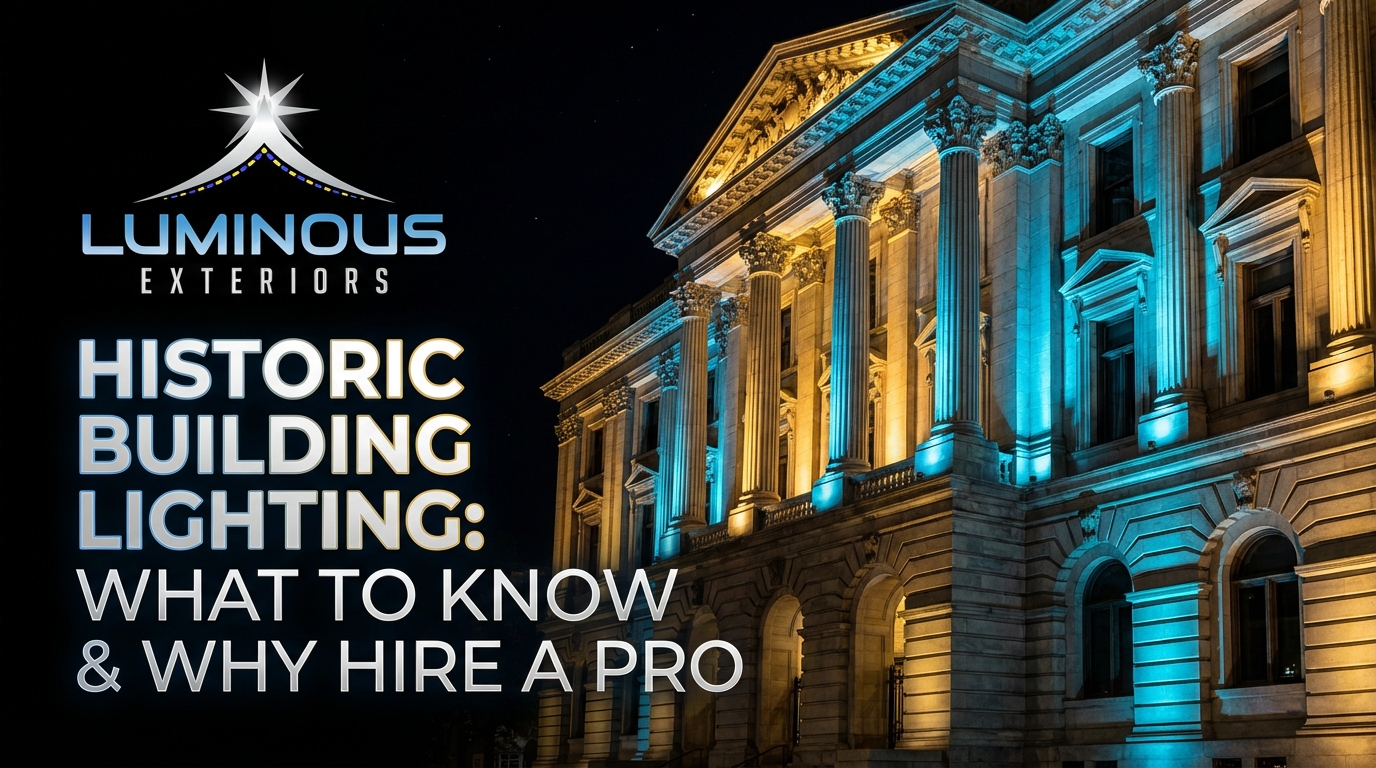
Historic Building Lighting: What to Know & Why Hire a Pro
Installing Lights In Historic Buildings: What To Know And Why To Use A Qualified Installer
Historic buildings possess a unique charm and character that modern structures simply can't replicate. When it comes to illuminating these architectural treasures, however, the process requires a delicate balance of preservation, functionality, and aesthetics. Whether you're aiming to enhance the beauty of a historic home or improve the safety and usability of a historic commercial space, understanding the nuances of lighting installation is crucial. This guide will provide you with the essential information you need and explain why enlisting a qualified installer is paramount.
Installing lighting in a historic building involves navigating a complex web of considerations, from adhering to preservation guidelines to ensuring the safety of the building and its occupants. It’s not just about screwing in a lightbulb; it's about respecting the history and integrity of the structure while bringing it into the 21st century. Hiring a qualified installer ensures the job is done right, preserving the building's character and preventing costly mistakes.
Understanding the Unique Challenges of Historic Building Lighting
Historic buildings present a range of challenges that are not typically encountered in modern construction. These challenges require specialized knowledge and careful planning to overcome.
Preservation Restrictions and Guidelines
Many historic buildings are subject to strict preservation guidelines designed to protect their architectural and historical significance. These guidelines may dictate the types of fixtures that can be used, the methods of installation, and even the color and intensity of the light. Understanding and adhering to these guidelines is crucial to avoid violating preservation laws and potentially damaging the building's historic fabric.
These guidelines often complement federal historic preservation laws, ensuring that any modifications respect the building's original character. The National Park Service, for instance, offers resources like The Secretary of the Interior's Standards for the Treatment of Historic Properties, which provides a framework for appropriate preservation, rehabilitation, restoration, and reconstruction.
It's essential to determine what kind of building you are working on - a building with no specific protection, a listed building or something in between. Each type has different restrictions and guidelines that need to be considered before starting any work.
Existing Electrical Systems
Historic buildings often have outdated or inadequate electrical systems that may not be able to handle the demands of modern lighting. Knob-and-tube wiring, for example, is a common feature in older buildings and is not designed to support the energy consumption of contemporary lighting fixtures. Upgrading the electrical system may be necessary, but this must be done in a way that minimizes disruption to the building's historic fabric.
Wireless lighting controls are recommended where possible, simply because of the cabling restrictions. Mesh technology, like Casambi, is also recommended as WiFi can be affected by the thickness of the walls. Similar restrictions apply to emergency lighting.
Building Materials and Construction Techniques
Historic buildings were constructed using a wide variety of materials and techniques, some of which may be fragile or require specialized handling. Drilling into plaster walls, for example, can cause significant damage if not done carefully. Similarly, running new wiring through historic woodwork requires a delicate touch to avoid marring the original craftsmanship.
All fixings should be carefully located in sacrificial material such as mortar. Also reuse any pre-existing holes and openings wherever possible and avoid making any new openings.
Key Considerations Before Installation
Before you even begin to think about selecting light fixtures, there are several key considerations that must be addressed.
Assessing the Building's Historical Significance
The first step is to thoroughly assess the building's historical significance. This involves researching its architectural style, its history, and any existing preservation guidelines. Understanding the building's unique character will help you make informed decisions about lighting design and installation.
Consider how much of the building should be lit, the location of the building (rural or urban), and if there are any neighboring properties and spaces that might be affected by the lighting. Also consider the location of the lighting to reduce the visual impact the fittings have on the daytime view.
Developing a Lighting Plan
A well-thought-out lighting plan is essential for any historic building project. This plan should take into account the building's architecture, its intended use, and any preservation restrictions. It should also consider the desired level of illumination, the color temperature of the lights, and the overall aesthetic you are trying to achieve.
As part of the lighting design brief you'll need to include: the objectives of the new scheme, the areas/rooms included in the design, historic furnishings and decorations, retention and re-commissioning of historic fittings, new light fitting design and fixings, and listed building consent (if required) or other permissions.
Selecting Appropriate Fixtures
Choosing the right light fixtures is critical to preserving the character of a historic building. Fixtures should be chosen that are appropriate for the building's architectural style and that provide the desired level of illumination without being overly intrusive. Consider using historically accurate reproductions or vintage fixtures to maintain the building's authenticity.
Simple sconces designed to blend into walls are another preservation-appropriate option for increasing ambient light levels without competing with historic ceiling lights.
The Importance of a Qualified Installer
While it may be tempting to tackle a lighting installation project yourself, hiring a qualified installer is essential for ensuring the safety, preservation, and functionality of your historic building. Here's why:
Expertise in Historic Building Techniques
Qualified installers have the knowledge and experience to work with the unique materials and construction techniques found in historic buildings. They understand how to properly install wiring, mount fixtures, and avoid damaging delicate architectural features. They also are able to safeguard architectural features and the surface of the historic building with a protective layer to avoid damage during installation.
Whether it is your grandmother's Art Deco chandelier or the Mid-Century teak floor lamps from your first apartment, master artisans can breathe new life into sentimental classics with specialized repairs, rewiring, conservation and customization.
Compliance with Preservation Guidelines
A qualified installer will be familiar with local preservation guidelines and will ensure that the installation complies with all applicable regulations. This can save you time, money, and potential legal headaches down the road.
They can also make sure any scheme makes the building or place more interesting, assists in making visitors feel safe by putting people back at the center of all public spaces, helps tell a story, boosts the building or area's identity, and assists visitors in appreciating the night by only using light where needed.
Safety and Code Compliance
Electrical work can be dangerous, especially in older buildings with outdated wiring. A qualified installer will ensure that the installation is safe and complies with all applicable electrical codes. This will protect the building and its occupants from fire hazards and other electrical problems.
Commercial buildings must have emergency and exit-path lighting to illuminate and identify hallways, stairwells, and exits. Emergency lighting must emit at least 1.07 lux of light along the emergency exit path at floor level.
Finding the Right Installer
Finding a qualified installer for your historic building lighting project requires careful research and due diligence.
Check Credentials and Experience
Look for installers who are licensed and insured, and who have specific experience working on historic buildings. Ask for references and check online reviews to get a sense of their reputation and quality of work.
Ask About Preservation Knowledge
Inquire about the installer's knowledge of preservation guidelines and techniques. A qualified installer should be able to explain how they will protect the building's historic fabric and ensure compliance with all applicable regulations.
Get Multiple Bids
Obtain bids from several different installers to compare pricing and services. Be sure to ask for a detailed breakdown of the proposed work, including the types of fixtures to be used, the methods of installation, and any potential challenges or risks.
Modern Lighting Options for Historic Buildings
While preserving the historical accuracy of your building is paramount, you can still incorporate modern lighting technologies to improve energy efficiency and functionality.
LED Lighting
LED lighting offers a number of advantages for historic buildings. It is energy-efficient, long-lasting, and produces very little heat, which can help to protect delicate historic materials. LED fixtures are also available in a wide range of color temperatures and styles, making it easy to find options that are appropriate for your building's architecture.
Recent advances have increased the range of preservation-appropriate retrofitting options, with initial cost generally proportionate to operational savings. Select lamps providing color temperatures as close as possible to that of original lighting (2700 Kelvin for standard incandescent lights).
Smart Lighting Controls
Smart lighting controls can help you save energy and improve the functionality of your lighting system. These controls allow you to dim lights, set timers, and even control your lights remotely using a smartphone or tablet. They can also be programmed to respond to occupancy sensors or daylight sensors, further reducing energy consumption.
Supplementary lights can be activated by daylight sensors, where appropriate, to meet space lighting needs when daylight is insufficient. Also, all lights can be placed on motion sensors to conserve energy when spaces are not occupied.
Fiber Optic Lighting
Fiber optic lighting is a versatile option that can be used to highlight architectural features or create unique lighting effects. Fiber optic cables transmit light from a central source to remote locations, making it possible to illuminate hard-to-reach areas without running electrical wiring.
Restoration vs. Replacement
When dealing with existing historic light fixtures, you'll often face the decision of whether to restore them or replace them entirely. Restoration involves repairing and refurbishing the original fixtures, while replacement involves installing new fixtures that may or may not be historically accurate.
The Case for Restoration
Restoring original light fixtures is often the preferred option from a preservation standpoint. It allows you to maintain the building's historic character and avoid introducing new elements that may be out of place. Restoration can also be more cost-effective than replacement, especially if the original fixtures are in relatively good condition.
Servicing and repairs by qualified restorers protect the financial investment and cultural legacy behind collectible lighting. Also, upgrading wiring, bulbs, and placements allows enhanced visibility and usage without the safety worries of worn electrical parts, and specialized structural work, material recreation, and patina formulas respect traditional methods passed down.
When Replacement is Necessary
In some cases, replacement may be necessary if the original fixtures are beyond repair or if they do not meet modern safety standards. When replacing fixtures, choose options that are historically accurate and that blend seamlessly with the building's architecture. Replica fixtures in which light sources are not exposed should incorporate high output, energy efficient lamps as necessary to achieve required light levels and meet energy conservation standards.
Maintaining Your Historic Lighting
Once your lighting is installed, it's important to establish a maintenance plan to ensure that it continues to function properly and that the fixtures remain in good condition.
Regular Inspections
Conduct regular inspections of your lighting system to identify any potential problems, such as flickering lights, damaged wiring, or loose fixtures. Address these issues promptly to prevent them from escalating into more serious problems.
Cleaning and Repairs
Clean your light fixtures regularly to remove dust and debris that can reduce their brightness and efficiency. Make any necessary repairs promptly to prevent further damage and ensure the safety of the system.
Professional Maintenance
Consider hiring a qualified electrician or lighting specialist to perform periodic maintenance on your historic lighting system. They can identify potential problems that you may have missed and ensure that the system is operating safely and efficiently.
Conclusion
Installing lighting in a historic building is a complex undertaking that requires specialized knowledge, careful planning, and a commitment to preservation. By understanding the unique challenges involved and enlisting the help of a qualified installer like Luminous Exteriors, you can ensure that your lighting project enhances the beauty, functionality, and safety of your historic building for years to come.
Ready to Get Started?
We specialize in permanent outdoor lighting that blends smart technology, elegant design, and long-term durability to enhance curb appeal and security.


